



Porter · Montgomery County
Land & Acreage in Porter
Local knowledge
What's different in Porter
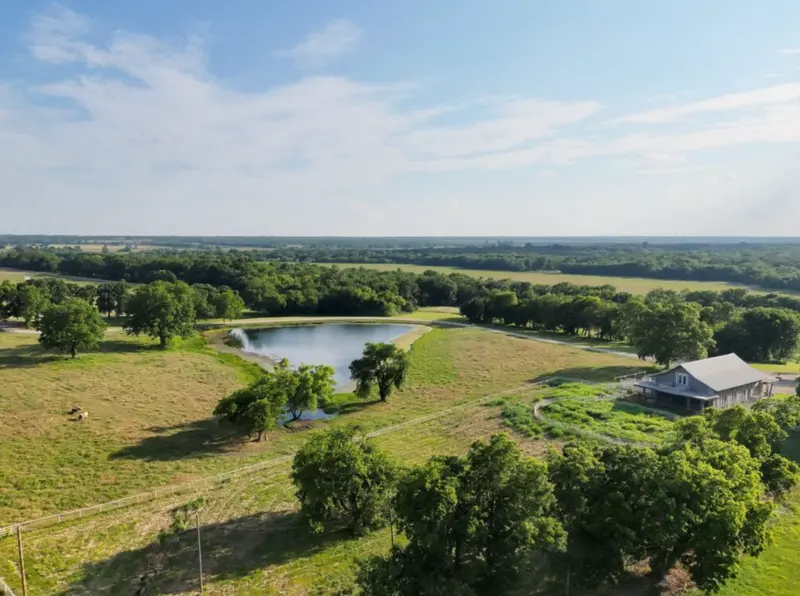
Wooded lots and small acreage tracts are found east and north of Porter, away from the I-69 corridor, often heavily timbered with pine and hardwood. Buyers here are usually weighing privacy against the extra work of clearing and utilities.
Tracts around Porter commonly need a private well or a water utility connection and a permitted septic system. We ask about both, confirm road access, and look the tract up on FEMA's flood map given the nearby creeks and river.
Deed restrictions on Porter-area tracts vary widely, and some carry agricultural or timber valuation. Continuing that valuation depends on use; the Montgomery Central Appraisal District decides, so we point buyers there before they plan changes.
East of Porter, some roads remain county-maintained gravel or are privately maintained by the owners who use them. Road maintenance agreements, and who pays for grading and drainage after storms, affect both daily access and how lenders view a property, so we ask for them early on any rural Porter tract.
Pipeline and power-line easements cross parts of east Montgomery County, including tracts around Porter. An easement can limit where you build, fence or plant, so we read the survey and the title commitment for recorded easements and point them out before you commit to a tract.
What we do
How we help
- Land due-diligence checklist: access, utilities, septic, water
- Deed-restriction and survey questions raised early
- Agricultural-valuation questions pointed to the appraisal district
- Coordination with surveyors and septic designers
Questions
Common questions
New Caney ISD for most addresses. Check the specific address with the district.