



Services
Land & Acreage
Buying land is a different transaction: septic, water, access, deed restrictions and agricultural valuation all matter before you make an offer.
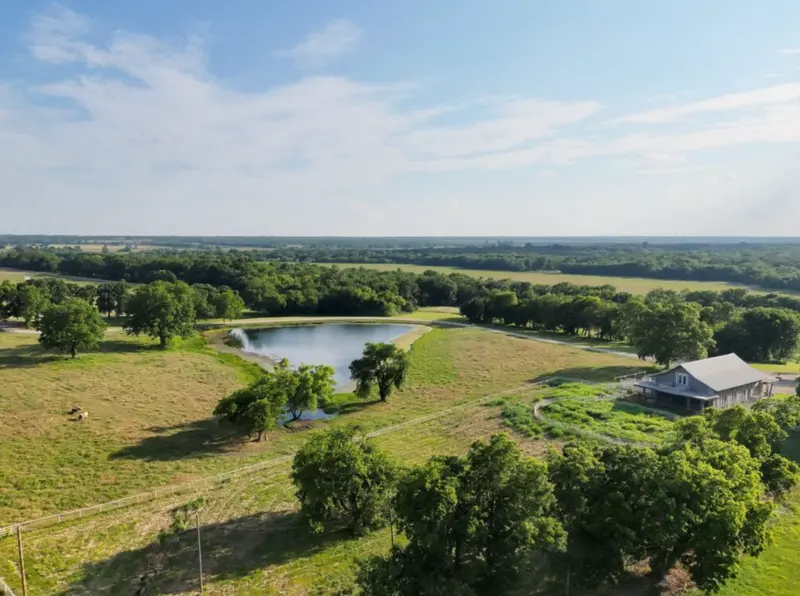
What we do
What's included
- Land due-diligence checklist: access, utilities, septic, water
- Deed-restriction and survey questions raised early
- Agricultural-valuation questions pointed to the appraisal district
- Coordination with surveyors and septic designers
The process
How buying works
- 01Tell us what you're looking forCommunities, budget, size, timing — we set the search around it.
- 02Review a written buyer agreementBefore we tour homes, we put how we work — and how we're paid — in writing.
- 03Get pre-approvedA lender's pre-approval tells you — and sellers — what you can spend.
- 04Tour homesPrivate showings scheduled around your calendar.
- 05Make an offerPrice and terms based on recent comparable sales.
- 06Use your option periodA negotiated window to inspect and decide.
- 07Inspect the homeA licensed inspector reports; we help you read it.
- 08CloseFinal walkthrough, signing, keys.
Worth knowing
Things to consider
Agricultural valuation
Texas lets qualifying agricultural land be appraised on its productivity value. Whether a tract qualifies is decided by the county appraisal district under its own guidelines — ask the district, and your tax adviser.
Source: Texas Comptroller — agricultural and timber valuation
On-site sewage (septic)
Where there is no sewer, a septic system must be permitted. In Texas the rules are set by the TCEQ and administered locally — ask who the permitting authority is for the tract.
Source: TCEQ — on-site sewage facilities
Questions
Common questions
Not necessarily. Deed restrictions, access, flood zones, septic suitability and utilities all affect what you can build. We raise those questions before you make an offer.